

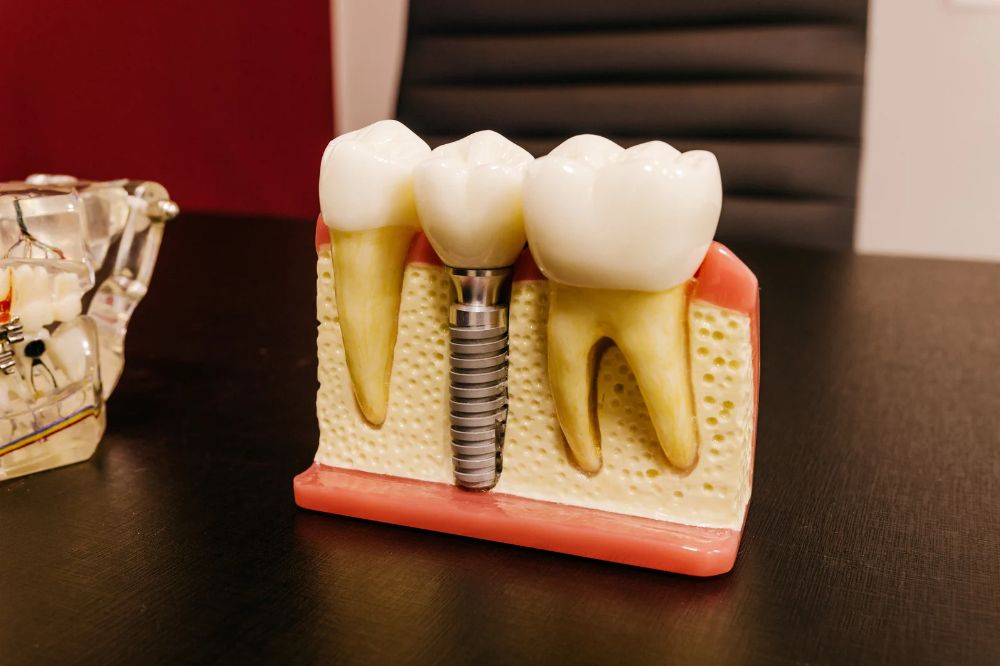
Dental implants replace missing teeth and help you chew comfortably and smile with confidence. However, they need daily cleaning and regular dental checkups to keep the gums healthy. Implants cannot get cavities, but plaque can build up around them and cause gum problems or bone damage. Good daily care and regular dental visits can help prevent these issues. If you have Dental Implants in Downtown Toronto, clean them every day to keep your implants and gums healthy. Small daily habits, along with timely dental care, can help maintain your implant and support its long-term function.
How Should You Clean Dental Implants Every Day?
Clean dental implants twice a day with a soft-bristle toothbrush and fluoride toothpaste. Pay close attention to the gumline, where plaque can collect around the implant crown.
Daily care should include:
- Brush gently around every side of the implant crown.
- Clean between your teeth and implants daily with floss or another tool recommended by your dental professional.
- Use an interdental brush if it is suitable for the space around your implant.
- Avoid brushing too hard, as this can irritate the gums.
- Follow any special cleaning instructions provided after implant surgery.
Dental implants near you need the same commitment to daily cleaning as natural teeth. However, the best cleaning tools may vary depending on the implant’s position and the type of restoration attached to it.
Why Is Gum Health Important for Dental Implants?
Healthy gums help protect the bone around an implant. Plaque can cause your gums to swell and, in severe cases, damage the bone that supports the implant.
Watch for warning signs such as:
- Red or swollen gums around the implant
- Bleeding when brushing or cleaning between teeth
- Tenderness or ongoing discomfort
- Pus near the implant
- An implant crown that feels loose
Do not ignore these signs. A dentist near you can check the implant and gums and suggest treatment if needed. Getting help early may prevent the problem from worsening.
What Foods and Habits Should You Avoid?
Once your implant has healed and your dental professional has cleared you to eat normally, most foods can be enjoyed to your comfort level, depending on the type of restoration. However, biting very hard objects can damage the crown or place extra stress on the implant.
To protect your dental implant:
- Avoid chewing ice or hard objects.
- Do not use your teeth to open packages.
- Avoid smoking, as it can affect your gums and healing.
- If you grind your teeth, ask your dentist about a night guard.
- Follow your dentist’s food advice after surgery.
Visit a dentist in Downtown Toronto if your bite feels uneven or the implant crown touches your teeth too early.
How Often Should You Visit the Dentist?
Regular dental visits help check the implant, crown, gums, and supporting bone. The timing depends on your oral health, cleaning habits, and whether you have a history of gum disease.
During a checkup, the dental team may:
- Check for plaque and inflammation around the implant.
- Examine the crown and nearby teeth.
- Assess the bite and look for signs of damage.
- Take X-rays when needed to check the supporting bone.
- Recommend professional cleaning and a suitable follow-up schedule.
Dental Implants in downtown Toronto should be monitored even when they feel comfortable. Problems can sometimes develop without causing pain in the early stages.
Can Dental Implants Look and Feel Like Natural Teeth?
Yes, dental implants can look and feel like real teeth. The crown matches your other teeth, and the implant holds it in your jaw. However, implants do not have the same nerves as natural teeth, so they may feel a little different.
How Long After Tooth Extraction Can You Get a Dental Implant?
The timing varies from person to person. An implant may sometimes be placed during the same appointment as a tooth extraction, while in other cases, it may need several weeks or months of healing first. The condition of the gums, the amount of healthy bone, and whether an infection is present all affect the decision. A dental examination and scans can help determine the safest timing for implant placement.
Protect Your Smile Investment With Ongoing Care!
Keeping your dental implant in good condition takes more than daily brushing. Paying attention to your gums, using the right cleaning tools, and attending regular dental visits can help identify small concerns before they become more serious. Contact Rusholme Family Dentistry to schedule a checkup, discuss any changes you have noticed around your implant, and receive practical advice on caring for your restoration. A consistent care routine can help support your oral health and keep your implant functioning well for years to come.
FAQs
Can dental implants get cavities?
No, implants and crowns cannot get cavities. However, plaque can cause gum problems and harm the bone around the implant.
Can I use regular toothpaste on dental implants?
Yes, fluoride toothpaste is usually safe. Use a soft toothbrush and follow your dentist’s advice.
What should I do if my implant starts bleeding?
Bleeding around an implant may mean your gums are irritated. See a dentist, especially if you have pain, swelling, or discharge.
Do dental implants need professional cleaning?
Yes, regular dental visits help remove plaque, check your gums, and make sure your implant is healthy.