

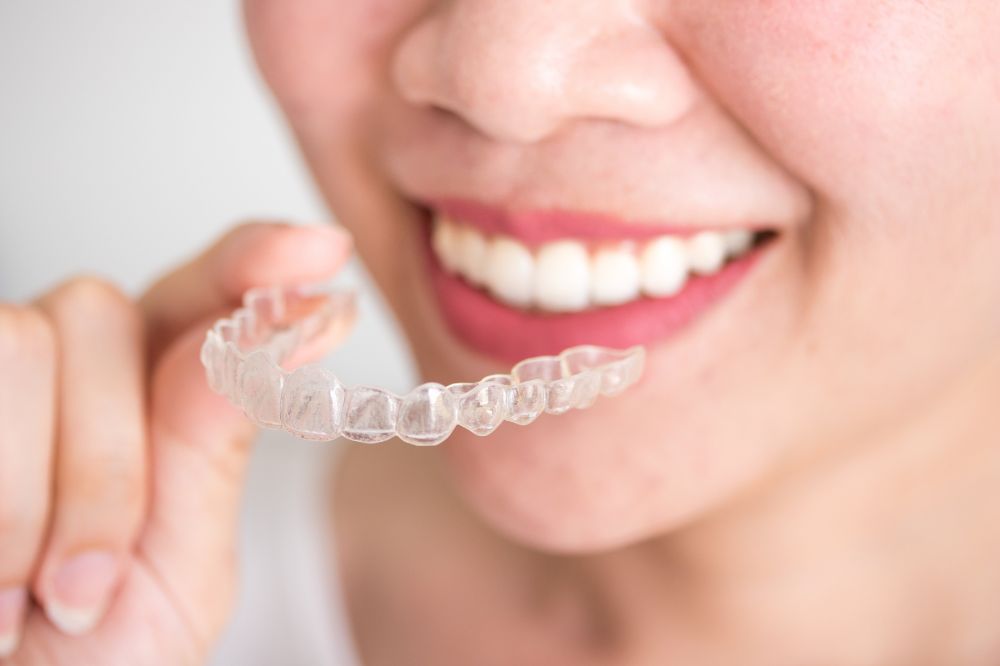
Starting Invisalign treatment involves more than just wearing clear aligners. It usually starts with a dental checkup. Your dentist near you will check your teeth, bite, and overall mouth health before making a treatment plan. Invisalign uses clear, removable aligners to move the teeth slowly. You will change the aligners regularly as your treatment continues. Each set puts gentle pressure on certain teeth. The number of aligners and treatment time can be different for each person, depending on how much the teeth need to move. Knowing what to expect can help you prepare for your appointments and take care of your teeth and aligners each day.
What Is Invisalign, and How Does It Work to Straighten Teeth?
Invisalign uses a series of clear, custom-made aligners to move teeth gradually. Each aligner is worn for the recommended amount of time before moving to the next one. Aligners use gentle pressure to move certain teeth slowly. Over time, this may help improve some tooth and bite problems.
Treatment may include:
- A first dental checkup
- Digital scans or impressions
- A treatment plan made for you
- A series of clear aligners
- Regular checkups to track progress
- Changes to the aligners if needed
The treatment plan depends on your teeth and how much they need to move.
What Happens Before Invisalign Treatment Begins?
Before starting Invisalign in Downtown Toronto, the teeth and gums are checked to identify any dental concerns that may need attention first. The bite and tooth positions are also assessed to determine whether clear aligners may be suitable.
The planning stage may include:
- Checking the teeth and gums
- Reviewing the bite
- Taking digital scans or impressions
- Discussing treatment goals
- Planning the expected tooth movements
This stage helps create a treatment plan based on individual dental needs.
What Is It Like to Wear Invisalign Aligners?
Invisalign near you can fit into many daily routines because the aligners are removable. They are generally worn for most of the day and removed for eating, drinking anything other than water, brushing, and cleaning between the teeth. At first, aligners may feel strange in your mouth. You may feel some mild pressure or notice small changes in your speech. These feelings often get easier as you get used to wearing the aligners. Keeping the aligners clean and wearing them as instructed are important parts of treatment.
How Does the Treatment Progress?
During Invisalign in Downtown Toronto, progress is checked at planned appointments. These visits help assess whether the teeth are moving as expected and whether changes to the treatment plan are needed. The number of aligners and appointments can vary. Some treatment plans may also include additional aligners, called refinements, if further tooth movement is needed.
Progress can depend on:
- The starting position of the teeth
- The type of movement required
- How consistently the aligners are worn
- How the teeth respond during treatment
Following the recommended wear schedule can help keep treatment moving as planned.
Is Invisalign as Effective as Traditional Metal Braces?
Invisalign and traditional metal braces can both be used to correct certain tooth alignment and bite problems. However, they work differently, and suitability depends on the specific dental concern. Clear aligners may be suitable for many mild to moderate alignment problems, while braces can provide fixed control for a wider range of tooth movements.
The right option depends on factors such as:
- How much the teeth need to move
- The type of bite problem
- Your treatment goals
- Your daily habits
- Whether you can follow the aligner instructions
A dental checkup by a dentist near you can help decide which option may work for you.
What Should Be Expected After Treatment?
After the planned tooth movements are complete, retainers are usually recommended to help keep the teeth in their new positions. Teeth can shift over time without ongoing retention. A dentist in Downtown Toronto can explain how often retainers should be worn and how to care for them. Retention is an important part of maintaining the alignment achieved during treatment.
Take the Next Step in Your Invisalign Treatment Journey!
Every Invisalign treatment plan is based on the current position of the teeth, bite, and treatment goals. A proper assessment can help explain the expected steps, timeline, and care needed throughout treatment. Book an appointment with Rusholme Family Dentistry to discuss Invisalign treatment and find out whether clear aligners may be suitable for your smile.
FAQs
1. Can Invisalign fix crowded teeth?
Invisalign may help with certain levels of crowding. The suitability depends on how much space is available and how much movement is required.
2. Can Invisalign change the way the bite fits?
Yes. Invisalign can be planned to address some bite concerns as well as tooth alignment. The type and severity of the bite issue affect whether clear aligners are suitable.
3. Can Invisalign be removed for special occasions?
The aligners are removable, but they should be worn for the recommended amount of time each day. Removing them too often may affect treatment progress.
4. What happens if an aligner is lost?
A lost aligner should be reported to the dental team. The next step may depend on which aligner was lost and how far treatment has progressed.