

A modern root canal is not something to fear because it is actually designed to stop pain, not cause it. When a tooth becomes deeply infected or damaged, the pressure inside can be very intense. This procedure removes the damaged tissue and cleans the area, which provides immediate relief for most patients. It is a vital tool that allows you to keep your natural tooth instead of having it pulled out.
Starting your journey back to health begins with finding a supportive Downtown Toronto dentist nearby who can assess the situation quickly. With today’s technology and advanced numbing techniques, the experience is now very similar to getting a routine filling.
What is root canal therapy?
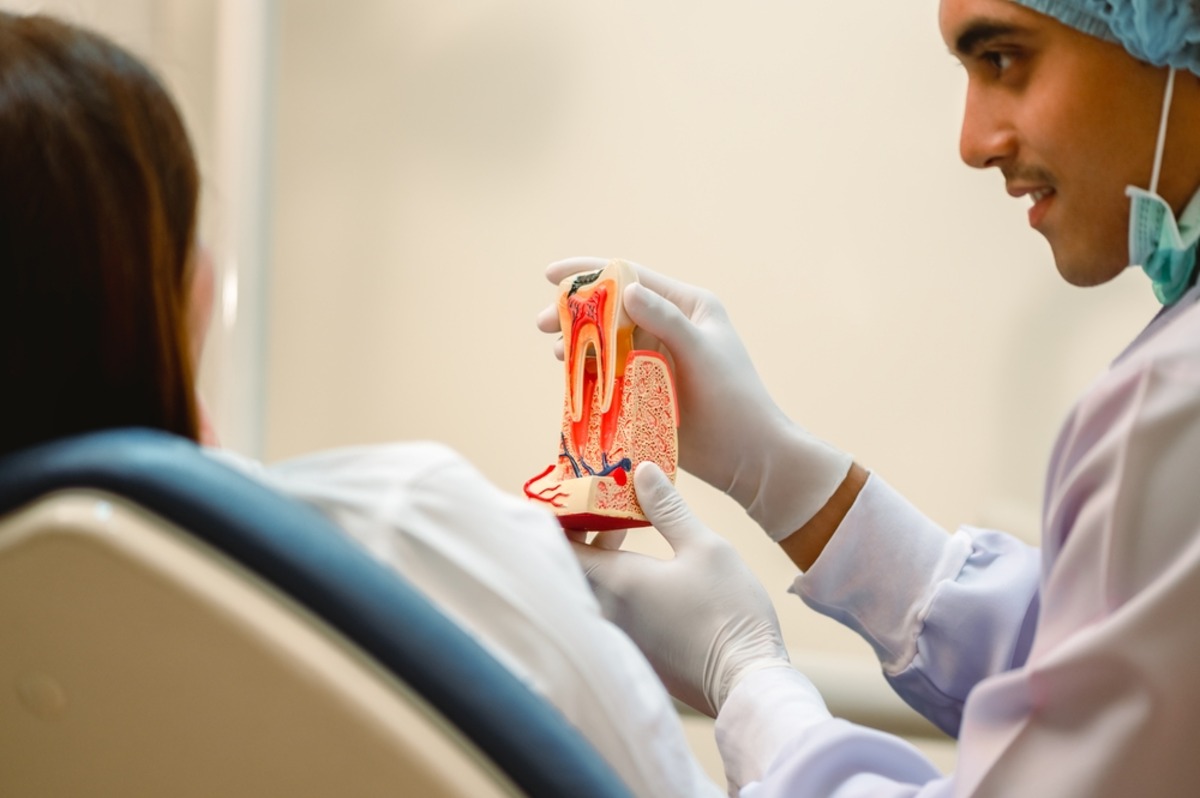
To understand this treatment, it helps to know what is inside your tooth. Under the hard white enamel and the layer of dentin, there is a soft area called the pulp. This pulp contains nerves and blood vessels that help the tooth grow when you are young. Once a tooth is fully grown, it can survive without this pulp.
When you choose root canal therapy in Downtown Toronto, you are choosing a procedure that preserves the outer shell of your tooth. The dentist takes out the infected pulp, cleans the small canals in the roots of the teeth, and seals them. This hampers the spread of bacteria and helps in the natural healing of the bone around the tooth.
Why people worry and why they shouldn’t
The old reputation of this procedure comes from a time before we had modern medicine. Decades ago, it was much harder to keep patients comfortable. Today, dental experts use powerful local numbing agents and tiny, precise tools that make the process quiet and smooth.
Most people who arrive at the office are already in a lot of discomfort. The treatment is the solution to that “throbbing” feeling. Once the numbing takes effect, the pressure that was causing the ache is released. Many patients feel so relaxed during the process that they even drift off for a short nap while the work is being finished.
The dangers of waiting too long
It can be tempting to hope a toothache will just go away on its own if you take some over-the-counter pills. However, a tooth infection is a physical problem that requires a physical fix. Bacteria tucked away inside a tooth cannot be reached by your body’s immune system or by simple mouthwash.
Many patients ask, What happens if I ignore a tooth infection for a long time? If left alone, the bacteria will eventually move past the root and into the jawbone. This can cause a painful swelling called an abscess. In serious cases, the infection can even spread to other parts of your face or into your bloodstream, which becomes a much larger medical emergency.
Signs you might need help:
- Sharp pain when you bite down or chew.
- Lingering sensitivity to hot or cold drinks.
- A small bump on the gums that looks like a pimple.
- A tooth that has turned darker in colour than the ones next to it.
- Swelling or tenderness in the gums near a specific tooth.
Understanding the costs and coverage
When planning for dental care, it is common for patients to worry about the financial side of things. Since dental rules change depending on where you live, you might wonder, Is root canal therapy covered by OHIP? Generally, routine dental work for adults is not covered by the standard provincial health plan, as it is usually handled through private insurance or out-of-pocket payments.
However, many workplaces offer dental benefits that cover a large portion of the cost. Because this procedure saves your natural tooth, it is much cheaper in the long run than having a tooth pulled and replaced with an artificial bridge or a dental implant. Keeping your own tooth is always the most cost-effective way to maintain a healthy mouth.
How the procedure works step-by-step
The process is very organized and follows a specific path to ensure your tooth is healthy again.
- Numbing the area: The first step is making sure you don’t feel a thing. The area around the tooth is thoroughly numbed.
- Accessing the pulp: A small opening is made in the top of the tooth so the dentist can reach the infection.
- Cleaning and shaping: Tiny instruments are used to remove the germs and smooth out the inside of the root canals.
- Filling the space: A rubber-like material is placed inside the canals to seal them off from future bacteria.
- The final restoration: Usually, a crown is placed on top of the tooth a few weeks later to make it strong enough to chew with again.
| Feature | Modern Root Canal | Having a Tooth Pulled |
| Pain Level | Very low (numbed) | Can be sore for days |
| Your Natural Tooth | You get to keep it | It is gone forever |
| Eating Ability | Stays normal | Can be difficult without a tooth |
| Long-term Cost | Lower (one-time fix) | Higher (needs replacement) |
Recovery and aftercare
After the numbing wears off, your jaw might feel a little tender for a day or two. This is usually just because you had your mouth open for a while or because of the natural healing process in the gums. Most people find that simple, store-bought pain relievers are more than enough to handle this.
You should try to avoid chewing on that specific tooth until the permanent crown is placed. Since the tooth no longer has a nerve, it can be a bit more brittle until the crown protects it. Once the final cap is on, you can go back to eating all your favourite foods without any fear of pain or sensitivity.
A Healthier Smile Starts with a Gentle Touch
A toothache can take over your whole life, making it hard to work, eat, or sleep. Choosing to address the problem with a root canal is a brave and smart step toward feeling like yourself again. By saving your natural tooth, you are protecting your jawbone and keeping your smile looking its best for the future. Modern dentistry is all about comfort, and there is no reason to live with a problem that can be fixed in just one or two visits.
We at Rusholme Family Dentistry think all patients should be treated kindly and with patience. We understand the root canal process sounds scary, which is why we explain everything in detail so that you can feel comfortable. We want to make sure you are relaxed and can undergo the procedure without any additional stress.
Our team is here to help you smile with confidence again, whether you’re experiencing discomfort or simply want to ensure your teeth are in great shape.
Frequently Asked Questions
Will I feel anything during the root canal?
No, the goal is for you to feel nothing at all. The numbing medicine used today is very effective. You might feel a little bit of pressure or hear some sounds, but you should not feel any sharp pain. If you ever do, the dentist can easily add more numbing.
Can I go back to work the same day?
Yes! Most people can go right back to their normal routine after the appointment. Your mouth will be numb for a few hours, so you just have to be careful not to bite your lip or cheek while eating.
How long does the appointment take?
Usually, it takes about 60 to 90 minutes. Some teeth have more roots than others, which can change the time. If the infection is very large, the dentist might split the treatment into two visits to make sure all the bacteria are gone.
How do I know if the infection is gone?
After the procedure, the constant ache or sharp pain should vanish. The dentist will also take an X-ray during your follow-up visit to make sure the bone around the tooth is healing properly. Once the tooth feels “normal” again, you know the treatment was a success.